Why Global Impact Starts at Home
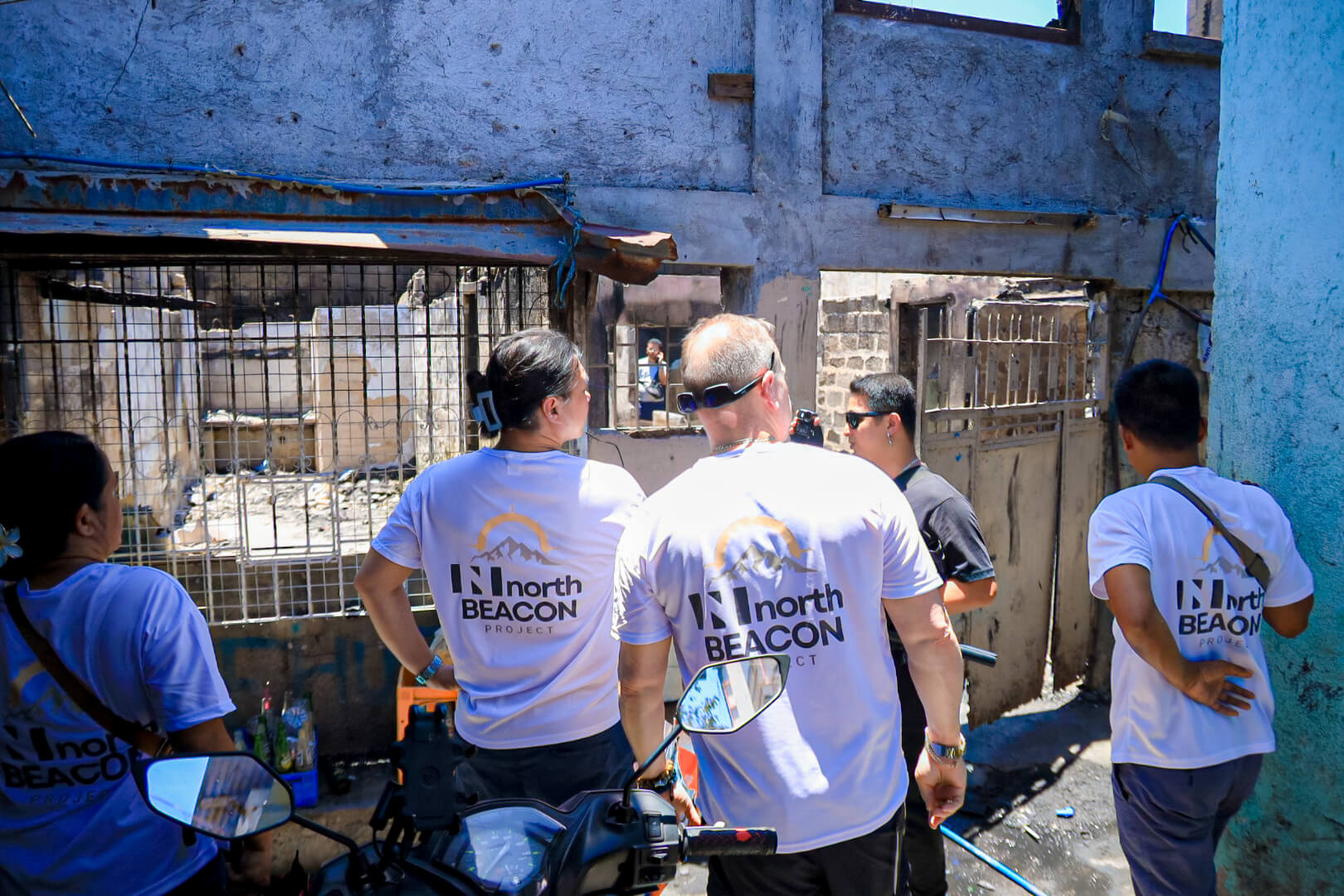
When people think about global relief, they often picture far-away places — emergency response zones, underserved regions, and communities facing urgent needs across borders.
What’s less visible is where effective global impact actually begins.
It begins locally — with systems that are accountable, transparent, and grounded in real communities.
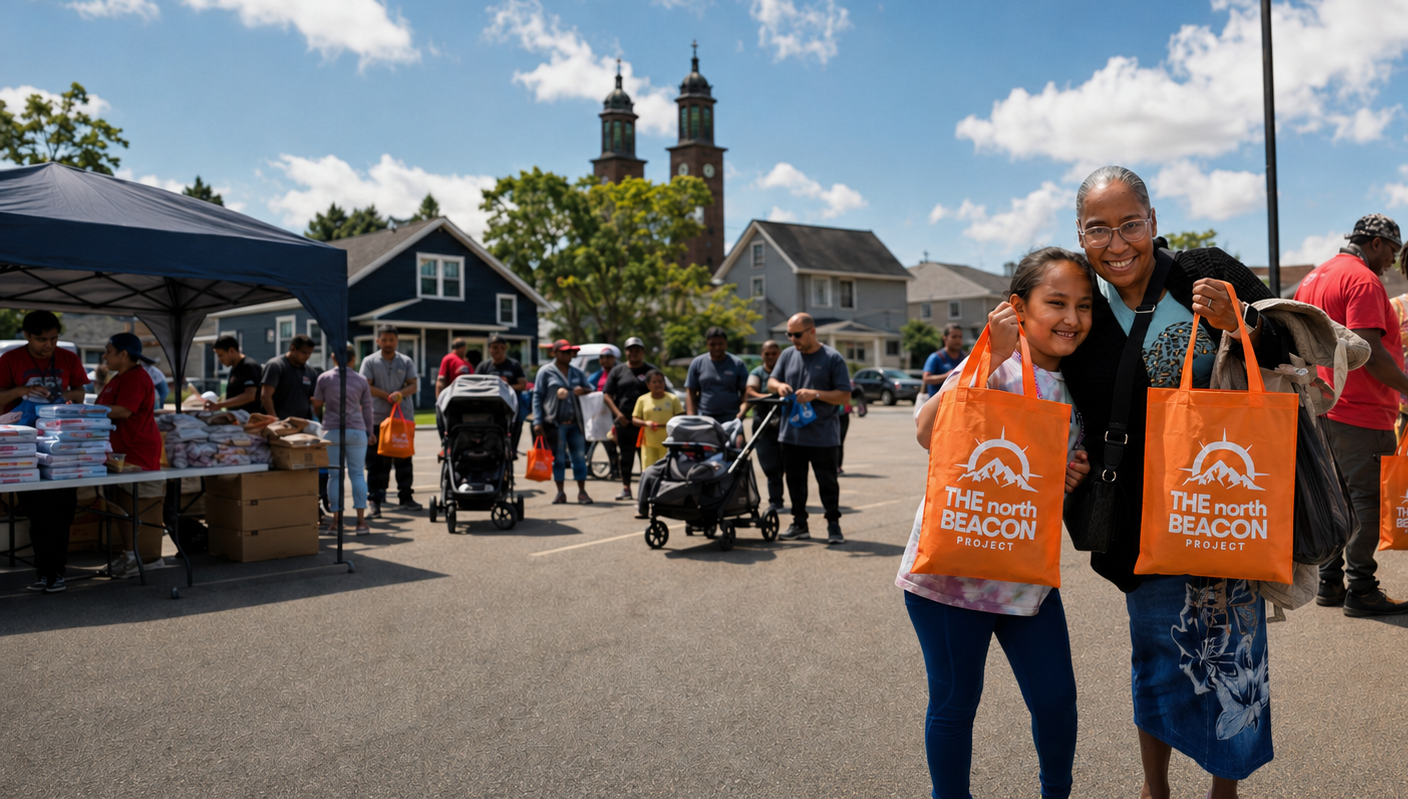
At The North Beacon Project, we believe global relief only works when it is built on strong local foundations. That’s why every donation, whether financial or in-kind, moves through a local-first impact model before it reaches national or international partners.
This approach ensures that resources are used responsibly — not rushed, duplicated, or diverted from the communities they were meant to serve.
The Problem With Traditional Global Giving
Well-intentioned donations can sometimes create unintended consequences.
Without clear systems in place, global aid can:
- Overwhelm local infrastructure
- Miss cultural or regional context
- Lack transparency and tracking
- Fail to create long-term stability
For donors and corporations alike, this raises difficult questions:
- Where did the donation actually go?
- Who handled it?
- Did it create lasting benefit?
Responsible giving requires more than generosity — it requires structure.
A Model Built on Accountability
The North Beacon Project’s model begins with local accountability.
Through our Buffalo Community Impact Hub, donations are:
- Received and documented
- Assessed against immediate local needs
- Distributed through verified community partners
Only when local needs are met do resources continue through trusted national and international nonprofit networks — organizations with proven experience, on-the-ground leadership, and cultural understanding.
This sequence matters.
It protects communities from duplication and waste, while ensuring donors and corporate partners know their contributions are handled with care at every step.
How Local Systems Enable Global Reach
Strong local systems make global impact possible.
By anchoring donations in a centralized, community-based hub, The North Beacon Project creates a clear pathway from surplus to service — one that respects both the origin of the resource and the destination of the need.
This allows us to:
- Respond quickly to international emergencies
- Support long-term hunger, health, and education initiatives
- Partner with organizations that understand local realities
Rather than exporting problems or imposing solutions, we collaborate — extending support where it strengthens existing efforts.
What Responsible Global Giving Looks Like
For donors, responsible global giving means:
- Confidence that contributions are used ethically
- Visibility into how resources move
- Alignment with long-term outcomes
For corporate partners, it means:
- Clear separation from resale or misuse
- Reputational protection
- Measurable, reportable impact
For communities, it means dignity — aid delivered with respect, partnership, and sustainability in mind.
This is not about scale for its own sake. It is about impact that lasts.